
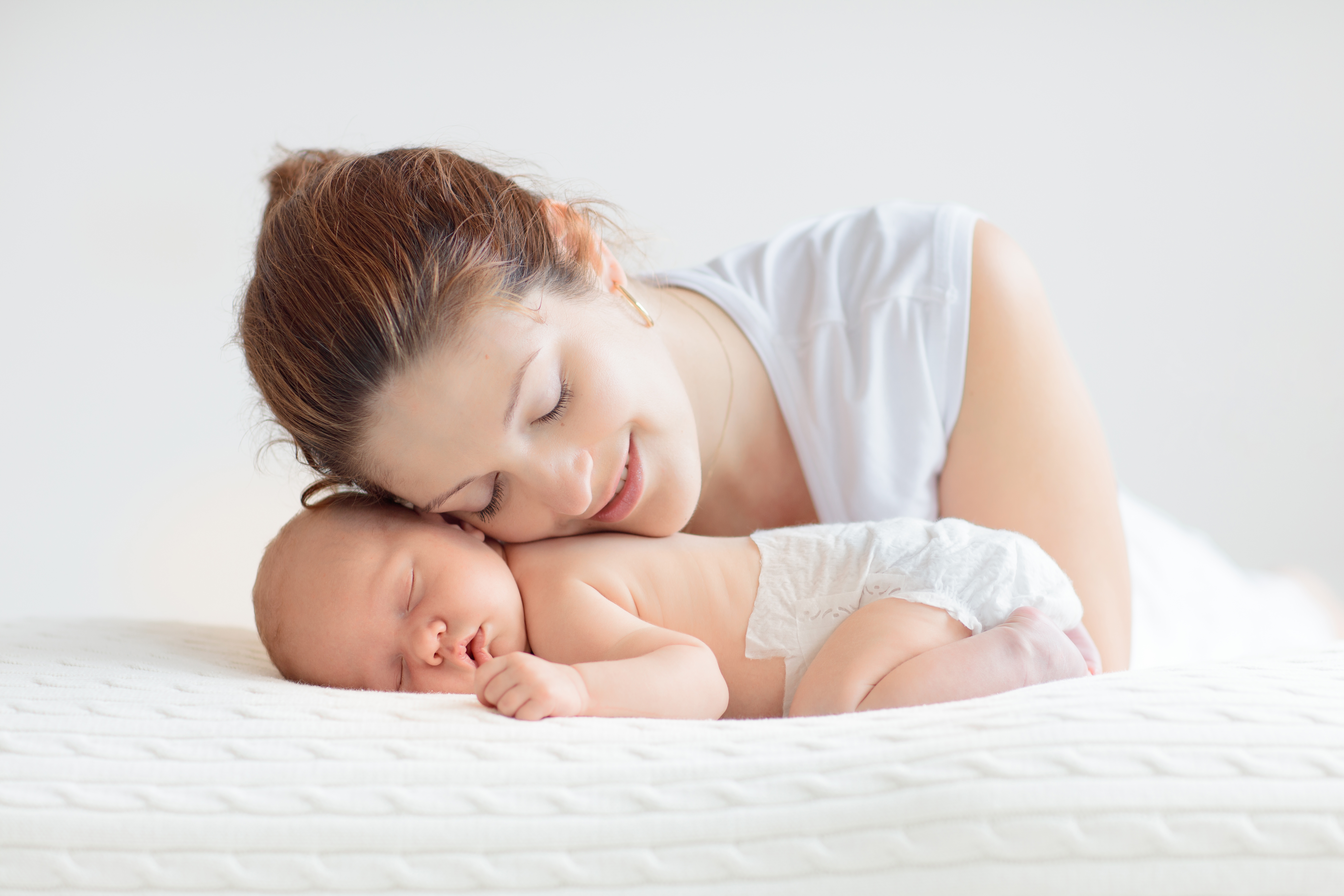
Postpartum Realities Many Parents Aren’t Prepared For (What’s Normal in the First Weeks After Birth)

Blogs
Postpartum Realities Many Parents Aren’t Prepared For (What’s Normal in the First Weeks After Birth)
Bringing a new baby home is a beautiful, life-changing moment. But the weeks that follow birth, often called the “fourth trimester,” can bring a wave of physical and emotional changes that many parents are simply not told about. While you’ve spent months preparing for the baby, it’s easy to overlook preparing for your own recovery.
You might feel overwhelmed, exhausted, and even a little scared by what’s happening to your body and mind. Please know you are not alone. These experiences, from the surprising physical symptoms to the intense emotional shifts, are a normal part of the postpartum journey. Let’s talk openly about what’s really happening in those first weeks, so you can feel more prepared and less alone.
What Really Happens to Your Body After Delivery?
Your body has just done something incredible, and the recovery process is a journey in itself. It’s not just about “bouncing back.” It’s about healing, adjusting, and being gentle with yourself as your body finds a new normal. Many of the physical changes after pregnancy can be surprising, but understanding them is the first step toward navigating them with confidence.
Postpartum Chills and Shaking After Birth — Why It Happens
One of the first things you might experience, sometimes just minutes or hours after giving birth, is an uncontrollable shaking or shivering. These postpartum chills can be alarming if you’re not expecting them. You might be covered in warm blankets and still feel an intense, full-body trembling.
This is often a result of the massive hormonal shifts happening in your body. The rapid drop in progesterone and estrogen, combined with the physical exertion of labor and delivery, can temporarily throw off your body’s internal thermostat. It can also be a response to the adrenaline of childbirth wearing off. For most, this shaking after giving birth is short-lived, usually lasting from a few minutes to an hour. It’s your body’s way of resetting itself after the monumental effort of bringing your baby into the world.
Night Sweats in the First Weeks Postpartum
Just as you might experience chills, you may also find yourself waking up in the middle of the night drenched in sweat. These postpartum night sweats are incredibly common and are another direct result of your hormones working to rebalance.
During pregnancy, your body retains extra fluid. After birth, as your estrogen levels plummet, your body needs to get rid of that excess water. Sweating, especially at night, is one of the primary ways it does this. While uncomfortable, know that sweating after having a baby is a sign that your body is doing exactly what it needs to do. Keep a spare set of pajamas by your bed, stay hydrated, and remind yourself that this phase will pass as your hormones level out over the first few weeks.
Bleeding, Clotting, and Lochia: What’s Normal?
Postpartum bleeding, known as lochia, is something all mothers experience after birth, whether they had a vaginal delivery or a C-section. Lochia is your body’s way of expelling the extra blood, mucus, and tissue from your uterus. Understanding the postpartum bleeding timeline can help you know what to expect.
Lochia has three distinct stages. In the first few days, you’ll experience lochia rubra, which is a heavy, bright red flow similar to a heavy period. You may also pass some small clots, which is normal as your uterus contracts. After three to ten days, the bleeding will lighten in color and flow, transitioning to lochia serosa—a pinkish or brownish, more watery discharge. Finally, from about ten days up to six weeks postpartum, you’ll have lochia alba, which is a yellowish or white discharge. How long do you bleed after birth? It varies, but it can last anywhere from two to six weeks. The flow should gradually decrease over time.
Uterine Cramping and Afterpains Explained
Shortly after delivery, you will likely feel cramping sensations in your abdomen. These are known as afterpains. They are caused by your uterus contracting as it works to shrink back down to its pre-pregnancy size. This process, called involution, is essential for your recovery.
These cramps after delivery can range from mild, period-like aches to surprisingly strong contractions, especially during breastfeeding. When you breastfeed, your body releases the hormone oxytocin, which not only helps with milk flow but also stimulates uterine contractions. So, while afterpains postpartum can be uncomfortable, they are a positive sign that your body is healing efficiently. This discomfort is usually most intense in the first few days and subsides as your uterus gets smaller.
Breast Changes, Engorgement, and Milk Coming In
Whether you choose to breastfeed or not, your breasts will go through significant changes after birth. In the first couple of days, your breasts produce colostrum, a thick, nutrient-rich “first milk.” Around day three or four postpartum, you will experience your milk “coming in.”
The symptoms of milk coming in can be intense. Your breasts may become very full, hard, warm, and tender. This is called breast engorgement. The sudden increase in milk volume, along with increased blood flow and fluid in the breast tissue, can cause significant breastfeeding discomfort in the early weeks. For those breastfeeding, frequent nursing or pumping can help relieve the pressure. For those not breastfeeding, a supportive bra, cold compresses, and avoiding nipple stimulation can help manage the discomfort as your milk supply gradually diminishes.
Why You Feel So Exhausted (And It’s More Than Sleep Deprivation)
Everyone expects to be tired with a newborn, but postpartum fatigue can be a level of exhaustion you’ve never experienced before. This extreme tiredness after birth is more than just a lack of sleep; it’s a deep, cellular exhaustion caused by a combination of hormonal, physical, and nutritional factors.
Hormonal Drops After Birth
The moment you deliver the placenta, your body experiences one of the most abrupt hormonal shifts it will ever go through. Levels of estrogen and progesterone, which were sky-high during pregnancy, drop dramatically. This hormone crash is similar to what happens before a menstrual period, but on a much larger scale.
This estrogen drop postpartum can contribute significantly to fatigue, mood swings, and that feeling of being completely depleted. Your body is working hard to recalibrate, and this process requires a tremendous amount of energy. It’s not just in your head; there is a powerful biological reason you feel so drained.
Healing From Vaginal Birth or C-Section
Your body is also in a state of major physical recovery. Healing from childbirth is a marathon, not a sprint. If you had a vaginal birth, you may be recovering from tearing, an episiotomy, or general swelling and soreness. If you had a C-section, you are healing from major abdominal surgery.
The postpartum recovery timeline is different for everyone. Your body is dedicating immense resources to repairing tissues, healing incisions, and recovering from the physical strain of labor and delivery. This healing process is energetically demanding and is a major contributor to postpartum fatigue. Ignoring your body’s need for rest will only prolong the recovery period.
Nutrient Depletion and Energy Swings
Pregnancy and childbirth can deplete your body’s stores of essential nutrients, such as iron, vitamin B12, and folate. Iron-deficiency anemia is particularly common after birth and is a well-known cause of low energy after childbirth.
Additionally, if you are breastfeeding, your body is using even more calories and nutrients to produce milk for your baby. Without proper postpartum recovery nutrition, it’s easy to experience energy swings and feel completely wiped out. Focusing on nutrient-dense foods—rich in protein, healthy fats, and complex carbohydrates—and staying hydrated is not a luxury; it’s a necessity for rebuilding your strength.
Emotional Changes in the Early Postpartum Period
The emotional landscape after birth can be just as intense and unpredictable as the physical one. The combination of hormonal shifts, sleep deprivation, and the immense responsibility of caring for a new baby can lead to a rollercoaster of feelings. Understanding these emotional changes after birth is key to navigating them with self-compassion.
The Baby Blues: How Common Are They?
The “baby blues” are incredibly common, affecting up to 80% of new mothers. Typically starting a few days after birth and lasting for about two weeks, the baby blues are characterized by mood swings, weepiness, anxiety, and feeling overwhelmed. One minute you might feel joyful and in love with your baby, and the next you might be crying for no apparent reason.
Baby blues symptoms are directly linked to the hormonal changes after pregnancy. They are not a sign of weakness or a reflection of your ability as a mother. It’s a temporary phase that usually resolves on its own as your hormones begin to stabilize. The key difference between baby blues vs postpartum depression is that the baby blues are short-lived and do not interfere with your ability to care for your baby.
Postpartum Anxiety and Intrusive Thoughts
While postpartum depression is often discussed, postpartum anxiety is just as common, if not more so. Postpartum anxiety signs can include constant worrying, racing thoughts, a feeling of dread, and physical symptoms like a racing heart or shortness of breath. You might find yourself obsessively checking on the baby or being unable to sleep even when the baby is sleeping.
A particularly distressing form of postpartum anxiety involves intrusive thoughts. These are unwanted, often scary thoughts or mental images, usually about something bad happening to the baby. They can be deeply upsetting, but they are not a reflection of your desires. They are a symptom of anxiety. Talking about these thoughts with a supportive partner, friend, or professional can help you realize you are not alone and that they are a treatable symptom.
Identity Shifts and Feeling “Not Like Yourself”
One of the most profound but least-talked-about changes is the shift in your identity. You are no longer just you; you are now a mother. This transition can be beautiful, but it can also feel disorienting. You might grieve for your old life, your freedom, or the person you were before the baby arrived.
This feeling of “not being yourself” is a normal part of the emotional adjustment after birth. Your body has changed, your daily life has been turned upside down, and your priorities have shifted entirely. It takes time to integrate this new role into your sense of self. Be patient with yourself as you get to know this new version of you.
When Is It Normal — And When Should You Call Your Provider?
While many of the postpartum experiences are normal, there are certain red flags that require medical attention. It’s important to know the postpartum warning signs so you can seek help when needed. Trust your instincts—if something feels wrong, it’s always best to call your doctor or midwife.
Physical Symptoms That Need Medical Attention
Contact your provider immediately if you experience any of the following postpartum complications symptoms:
- Heavy bleeding: Soaking through more than one pad per hour, or passing clots larger than a golf ball.
- Signs of infection: A fever over 100.4°F, foul-smelling lochia, or redness, pus, or increased pain at a C-section incision or perineal tear.
- Severe pain: A severe headache that doesn’t go away, intense abdominal pain, or pain and swelling in your leg (which could be a sign of a blood clot).
- Signs of preeclampsia: Vision changes, severe swelling in your hands or face, or a persistent, severe headache.
When to call the doctor after giving birth isn’t always clear-cut, but these symptoms are serious and should not be ignored.
Mental Health Signs That Deserve Extra Support
Your mental health is just as important as your physical health. If the baby blues last longer than two weeks, or if your feelings of sadness, anxiety, or hopelessness are interfering with your daily life, it may be a sign of postpartum depression or anxiety. Reach out for help if you:
- Feel persistently sad, hopeless, or empty.
- Experience panic attacks or debilitating anxiety.
- Have lost interest in things you once enjoyed.
- Have thoughts of harming yourself or your baby.
These are not signs of failure; they are signs that you need and deserve extra support. There are effective treatments available, and reaching out is a sign of strength.
How Support Makes Postpartum Recovery Easier
You were never meant to do this alone. For generations, new mothers were surrounded by a village of support. Today, that support system often needs to be built intentionally. Having the right help after your baby is born can make all the difference in your recovery.
Why Rest and Practical Help Speed Up Healing
Rest is not a luxury during the postpartum period; it is a medical necessity. Your body cannot heal properly if you are constantly pushing yourself. However, “sleep when the baby sleeps” is often easier said than done when there are dishes to wash, meals to cook, and other children to care for.
This is where practical help becomes invaluable. When someone else can take care of light household tasks, run errands, or hold the baby so you can take a shower or a nap, it frees up your energy to focus on healing and bonding with your newborn. This kind of postpartum support is fundamental to a smoother recovery.
The Role of a Postpartum Doula in Scottsdale and Maricopa County
A postpartum doula is a trained professional who provides non-judgmental physical, emotional, and informational support to new families. We are there to care for the mother, so she can care for her baby. In our work with families, we see firsthand how transformative this support can be.
As postpartum doulas in Scottsdale and across Maricopa County, we help families navigate these challenging first weeks. We offer evidence-based newborn care guidance, help with feeding, and provide a listening ear for all the emotional ups and downs. We can prepare a nourishing meal, watch the baby while you rest, and offer reassurance that what you are experiencing is normal. We provide a calm, steady presence, helping you build confidence in your new role.
You Don’t Have to Navigate This Alone
The transition to parenthood is a profound journey, filled with incredible highs and challenging lows. Trying to handle it all by yourself can lead to burnout and isolation. Building your support system, whether it’s through family, friends, or a professional like a postpartum doula, is one of the most important things you can do for yourself and your new family.
The Fourth Trimester Is Real — And It Deserves Care
The first three months after birth are a distinct period of immense change for both you and your baby. This fourth trimester is a time of healing, adjustment, and deep bonding. Your newborn is adjusting to life outside the womb, and you are recovering from childbirth while learning to be a parent.
Embracing the concept of fourth trimester recovery means giving yourself the same level of care and attention you give your newborn. It means prioritizing rest, nourishment, and emotional support. It means being patient with your body and gentle with your heart. You have just accomplished something extraordinary. You deserve to be nurtured, supported, and cared for as you embark on this beautiful new chapter.